Department Info
About the Department
The Computer Science and Engineering Department offers the following programs.
- B.E – Computer Science and Engineering (4 Years)
- M.E. – Computer Science and Engineering (2 Years)
- Ph.D - Computer Science and Engineering (Full time / Part time).
The Computer Science and Engineering Department offers both Undergraduate and Postgraduate programs. It provides an excellent ambiance for students to learn and acquire the necessary skills required by the IT Industry. Technological innovation is so rapid in this field that continuous education is essential to enhance the skill set of students keeping in pace with the current trends. The department has experienced faculty members who are fully committed to teaching and research.
The students have access to well equipped, state-of-the-art laboratories. A wide range of activities undertaken in the department allow the students to gain contemporary knowledge of the basic problems in the IT industry. The advance curriculum requires the students to take up a broad spectrum of courses with special emphasis on desired areas of specialization. Hence, the department has brought out exceptional engineers in the past and will continue to do in the years to come. The Department maintains an excellent interaction with IT industry and organizes regular guest lectures by experts, industrial visits, internships etc. and stands for industry – Institute collaboration.
Vision and Mission
VISION
To create a dynamic academic environment that nurtures technologically proficient individuals with a spirit of research, innovation and effective communication while instilling strong social awareness and national responsibility, enabling them to excel in the field of Computer Engineering.
MISSION
- M1To establish a dynamic academic environment with dedicated faculty and modern resources, fostering expertise in both fundamental concepts and emerging computing domains.
- M2To equip students with industry-relevant skills, critical thinking abilities, and leadership qualities, while instilling ethical values and a sense of responsibility through knowledge dissemination and technological advancements for societal progress.
- M3To drive collaborative innovation through partnerships with academia and industry, ensuring seamless exchange of expertise, leading to intellectual property creation, product development, commercialization, and sustained research funding.
PEO, PO's, PSO's
Programme Educational Objectives (PEO)
- PEO 1: Technical Competence and Problem-Solving: Develop a strong foundation in computer science and interdisciplinary domains to design and implement effective solutions for real-world engineering challenges.
- PEO 2: Career Growth and Leadership: Excel in technical and professional roles across industries, entrepreneurship, and higher education while demonstrating leadership, teamwork, and adaptability.
- PEO 3: Innovation, Research and Ethical Excellence: Engage in cutting-edge research, address industry needs, and develop innovative software solutions while upholding ethical responsibility and professional integrity.
Programme Outcomes (PO)
- PO1: Engineering Knowledge: Apply knowledge of mathematics, natural science, computing, engineering fundamentals and an engineering specialization as specified in WK1 to WK4 respectively to develop to the solution of complex engineering problems.
- PO2: Problem Analysis: Identify, formulate, review research literature and analyze complex engineering problems reaching substantiated conclusions with consideration for sustainable development. (WK1 to WK4).
- PO3: Design/Development of Solutions: Design creative solutions for complex engineering problems and design/develop systems/components/processes to meet identified needs with consideration for the public health and safety, whole-life cost, net zero carbon, culture, society and environment as required. (WK5).
- PO4: Conduct Investigations of Complex Problems: Conduct investigations of complex engineering problems using research-based knowledge including design of experiments, modelling, analysis & interpretation of data to provide valid conclusions. (WK8).
- PO5: Engineering Tool Usage: Create, select and apply appropriate techniques, resources and modern engineering & IT tools, including prediction and modelling recognizing their limitations to solve complex engineering problems. (WK2 and WK6).
- PO6: The Engineer and The World: Analyze and evaluate societal and environmental aspects while solving complex engineering problems for its impact on sustainability with reference to economy, health, safety, legal framework, culture and environment. (WK1, WK5, and WK7).
- PO7: Ethics: Apply ethical principles and commit to professional ethics, human values, diversity and inclusion; adhere to national & international laws. (WK9).
- PO8: Individual and Collaborative Team work: Function effectively as an individual, and as a member or leader in diverse/multi-disciplinary teams.
- PO9: Communication: Communicate effectively and inclusively within the engineering community and society at large, such as being able to comprehend and write effective reports and design documentation, make effective presentations considering cultural, language, and learning differences.
- PO10: Project Management and Finance: Apply knowledge and understanding of engineering management principles and economic decision-making and apply these to one's own work, as a member and leader in a team, and to manage projects and in multidisciplinary environments.
- PO11: Life-Long Learning: Recognize the need for, and have the preparation and ability for i) independent and life-long learning ii) adaptability to new and emerging technologies and iii) critical thinking in the broadest context of technological change. (WK8).
Programme Specific Outcomes (PSO)
- PSO 1: Professional Skills: To inculcate technical skills to analyze, design and implement software's related to algorithms, networking, web services, multimedia, big data analytics and recent topics of varying complexity.
- PSO2: Problem-Solving Skills: To develop the capability to comprehend and solve the interdisciplinary problems through appropriate technology with the understanding of contemporary business environment.
- PSO3: Successful Career and Entrepreneurship: To develop an ability to utilize the latest technology and platforms to become a triumphant professional, successful entrepreneur and an urge for pursuing higher studies.
HOD Profile
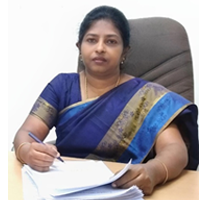
With over 25 years of dedicated experience in academia and research, Dr. L. Jabasheela has established herself as a distinguished figure in the fields of Image Mining and Data Analytics. She holds a plethora of professional certifications, including Microsoft Certified Professional (MCP) and Microsoft Certified Systems Engineer (MCSE), as well as certification in Robotic Process Automation (RPA) from UiPath, underscoring her extensive expertise and commitment to staying at the forefront of technological advancements.
Academic and Research Contributions
Dr. L. Jabasheela has a prolific record of scholarly contributions, having published numerous papers in esteemed international journals and conferences. Her work has significantly advanced the understanding and application of Image Mining and Data Analytics, garnering respect and recognition from the global academic community. Her guidance has been instrumental in the academic journey of many students, with two research scholars having successfully obtained their PhD degrees under her supervision.
Her intellectual output is not confined to journal articles alone; she has authored over 10 books, each contributing valuable knowledge and insights to the academic and professional communities. Her innovative work has also led to the acquisition of several copyrights and patents, reflecting the practical implications and originality of her research.
Awards and Recognition
Dr. L. Jabasheela outstanding contributions have earned her numerous accolades. She is the recipient of the CSI TechNext Award for Contemporary Book Publication, a testament to the impact and relevance of her literary contributions. Additionally, she has been recognized as the Best Mentor by NPTEL for her exemplary guidance in the Internet of Things (IoT) course, highlighting her dedication to nurturing the next generation of technologists and researchers.
In 2020, her team triumphed in the National Product Development Hackathon conducted by the Computer Society of India (CSI), securing the first prize. This achievement underscores her leadership and innovative thinking in tackling complex problems and developing practical solutions.
Professional Affiliations
A respected member of several professional societies, Dr. L. Jabasheela is affiliated with the Institute of Electrical and Electronics Engineers (IEEE), Computer Society of India (CSI), International Association of Computer Science and Information Technology (IACSIT), and the International Engineers Association (IEANG). These memberships reflect her active engagement with the broader professional community and her commitment to continuous professional development.
Funded Projects and Grants
Dr. L. Jabasheela has successfully secured substantial funding to support her research endeavors. She has received grants totaling Rs. 26.15 lakhs from prestigious organizations including the All India Council for Technical Education (AICTE), Hyundai WIA India Ltd, Tamil Nadu State Council for Science and Technology (TNSCST), and Anna University. These funds have been pivotal in advancing her research projects, enabling significant contributions to the fields of Image Mining and Data Analytics.
Faculty List
137 dedicated faculty members
1. Dr. PRASANNA DEVI S
PROFESSOR & CHIEF ACADEMIC OFFICER
2. Dr. JABASHEELA L
PROFESSOR & HOD
3. Dr. KAVITHA SUBRAMANI
PROFESSOR
4. Dr. SUBEDHA V
PROFESSOR
5. Dr. RAJENDIRAN M
PROFESSOR
6. Dr. ANURADHA D
PROFESSOR
7. Dr. VALARMATHI K
PROFESSOR
8. Dr. VINMATHI M S
PROFESSOR
9. Dr. JOSEPHINE LEELA R
PROFESSOR
10. Dr. HARIHARAN S
PROFESSOR
11. Dr. SENTHIL KUMAR G
PROFESSOR
12. Dr. BALAJI S
PROFESSOR
13. Dr. UMARANI SRIKANTH G
PROFESSOR
14. Dr. SATHISH KUMAR P J
PROFESSOR
15. Dr. TAMILVIZHI T
PROFESSOR
16. Dr. SATHIYA V
PROFESSOR
17. Dr. HEMLATHADHEVI A
PROFESSOR
18. Dr. SHANMUGANATHAN M
PROFESSOR
19. Dr. SANGEETHA M
PROFESSOR
20. Dr. LAKSHMI D
PROFESSOR
21. Dr. SANGEETHA K
PROFESSOR
22. Dr. JACKULIN T
PROFESSOR
23. Dr. SWAMINATHAN A
PROFESSOR
24. Mrs. ANITHA MOSES V
PROFESSOR
25. Dr. DEEPA P
ASSOCIATE PROFESSOR
26. Dr. KRISHNAMOORTHY M
ASSOCIATE PROFESSOR
27. Dr. SANTHANA LAKSHMI S T
ASSOCIATE PROFESSOR
28. Dr. THERASA M
ASSOCIATE PROFESSOR
29. Dr. MAHESWARI M
ASSOCIATE PROFESSOR
30. Dr. JACKULIN C
ASSOCIATE PROFESSOR
31. Dr. THYAGARAJAN C
ASSOCIATE PROFESSOR
32. Dr. SALINI R
ASSOCIATE PROFESSOR
33. Dr. GUNASEKARAN K
ASSOCIATE PROFESSOR
34. Dr. VIJAYALAKSHMI P
ASSOCIATE PROFESSOR
35. Dr. UMA MAHESWARI A
ASSOCIATE PROFESSOR
36. Dr. SUDHA MERCY S
ASSOCIATE PROFESSOR
37. Dr. MURUGANANDAM S
ASSOCIATE PROFESSOR
38. Mr. KAJENDRAN K
ASSOCIATE PROFESSOR
39. Mr. SASI KUMAR A N
ASSOCIATE PROFESSOR
40. Dr. KANCHANA A
ASSISTANT PROFESSOR
41. Dr. KARTHIKEYAN A
ASSISTANT PROFESSOR
42. Dr. ABIRAMI M
ASSISTANT PROFESSOR
43. Dr. ARCHANA E
ASSISTANT PROFESSOR
44. Ms. YAMUNA DEVI S
ASSISTANT PROFESSOR
45. Mrs. DHIVYA M
ASSISTANT PROFESSOR
46. Mr. RAJA S
ASSISTANT PROFESSOR
47. Mrs. DIVYA S
ASSISTANT PROFESSOR
48. Mr. RAMANA R
ASSISTANT PROFESSOR
49. Mrs. JENNIFER D
ASSISTANT PROFESSOR
50. Ms. LINCY JEMINA
ASSISTANT PROFESSOR
51. Mr. TAMILARASAN T
ASSISTANT PROFESSOR
52. Ms. NARMADHA P G
ASSISTANT PROFESSOR
53. Mr. WILLIAM ANDREWS J
ASSISTANT PROFESSOR
54. Mrs. RAJESHWARI R
ASSISTANT PROFESSOR
55. Mrs. AMUDHA K
ASSISTANT PROFESSOR
56. Ms. NEELAGANDHI V
ASSISTANT PROFESSOR
57. Ms. PADMAPRIYA J
ASSISTANT PROFESSOR
58. Mrs. SATHYA J
ASSISTANT PROFESSOR
59. Mrs. SIVAKAMY N
ASSISTANT PROFESSOR
60. Mrs. SOPHANA JENNIFER S
ASSISTANT PROFESSOR
61. Mrs. PREENA JACINTHA SHALOM
ASSISTANT PROFESSOR
62. Mrs. CINTHUJA K
ASSISTANT PROFESSOR
63. Mrs. JAICHITRA VASUDEVAN I
ASSISTANT PROFESSOR
64. Mr. SURESH S
ASSISTANT PROFESSOR
65. Ms. PAVITHRA M
ASSISTANT PROFESSOR
66. Ms. RAHINI SUDHA SELVENDRAN
ASSISTANT PROFESSOR
67. Mr. JAYABALAN S
ASSISTANT PROFESSOR
68. Ms. SUPRIYA K
ASSISTANT PROFESSOR
69. Mrs. JAYALAKSHMI R
ASSISTANT PROFESSOR
70. Ms. SOORYA S
ASSISTANT PROFESSOR
71. Ms. RAMYA PRABA
ASSISTANT PROFESSOR
72. Mr. ALWIN INFANT
ASSISTANT PROFESSOR
73. Mrs. SUNTHEYA A K
ASSISTANT PROFESSOR
74. Mr. RAMAKRISHNAN
ASSISTANT PROFESSOR
75. Mrs. SATHIYA L
ASSISTANT PROFESSOR
76. Mrs. ASWINI V
ASSISTANT PROFESSOR
77. Mrs. PREETHIKA P
ASSISTANT PROFESSOR
78. Mrs. NIRMALA DEVI K
ASSISTANT PROFESSOR
79. Ms. YOGASHREE G S
ASSISTANT PROFESSOR
80. Ms. RASHIKA R S
ASSISTANT PROFESSOR
81. Mrs. RAMYA R
ASSISTANT PROFESSOR
82. Ms. MAHALAKSHMI P
ASSISTANT PROFESSOR
83. Ms. PRABHA A
ASSISTANT PROFESSOR
84. Mrs. SUTHA DEVI T
ASSISTANT PROFESSOR
85. Mrs. RAJALAKSHMI E
ASSISTANT PROFESSOR
86. Mrs. SHOBANA M
ASSISTANT PROFESSOR
87. Mrs. JEBASUDHA D
ASSISTANT PROFESSOR
88. Mrs. SHARMILA S
ASSISTANT PROFESSOR
89. Mrs. VISHNUPRIYA S
ASSISTANT PROFESSOR
90. Ms. SUDHA V
ASSISTANT PROFESSOR
91. Ms. ROHINI S
ASSISTANT PROFESSOR
92. Mr. PRABBU SANKAR P
ASSISTANT PROFESSOR
93. Mrs. DEEPA A
ASSISTANT PROFESSOR
94. Ms. NITHIYA SREE P
ASSISTANT PROFESSOR
95. Ms. SANGEETHA R
ASSISTANT PROFESSOR
96. Mrs. MOHANA PRIYA P
ASSISTANT PROFESSOR
97. Mrs. GUNAVATHY K S
ASSISTANT PROFESSOR
98. Mrs. PREETHI V
ASSISTANT PROFESSOR
99. Mrs. SWETHA M
ASSISTANT PROFESSOR
100. Mrs. RANJITHA S
ASSISTANT PROFESSOR
101. Mr. UMA SHANKAR J S
ASSISTANT PROFESSOR
102. Mrs. RUBINA A M
ASSISTANT PROFESSOR
103. Mrs. LAKSHMI R
ASSISTANT PROFESSOR
104. Mr. IRUDAYA PAUL RAJ VINOD A
ASSISTANT PROFESSOR
105. Mr. THAMIM AZARUDEEN K
ASSISTANT PROFESSOR
106. Mrs. SHARMEELA S
ASSISTANT PROFESSOR
107. Mrs. SARANYA DEVI A
ASSISTANT PROFESSOR
108. Mrs. SUGANTHI SHARMILA D
ASSISTANT PROFESSOR
109. Mrs. SUJA RAJESWARI K
ASSISTANT PROFESSOR
110. Mrs. ALIMA BEEEVI A
ASSISTANT PROFESSOR
111. Mr. KARTHIKEYAN V
ASSISTANT PROFESSOR
112. Mrs. MONIKA S
ASSISTANT PROFESSOR
113. Mr. KADIRVELU G
ASSISTANT PROFESSOR
114. Mr. AYYAPAN K
ASSISTANT PROFESSOR
115. Mr. AZHAGURAJ
ASSISTANT PROFESSOR
116. Mr. ELANGOVAN C
ASSISTANT PROFESSOR
117. Mrs. MARY BENITA A
ASSISTANT PROFESSOR
118. Mr. VEERAMANIKANDAN K
ASSISTANT PROFESSOR
119. Mr. DHAKSHUNHAAMOORTHIY
ASSISTANT PROFESSOR
120. Mr. VADIVELU A
ASSISTANT PROFESSOR
121. Mrs. SAHITYA PRIYADHARSHINI K
ASSISTANT PROFESSOR
122. Ms. NAGESWARI V
ASSISTANT PROFESSOR
123. Mrs. GOMATHI N
ASSISTANT PROFESSOR
124. Ms. KANMANI S
ASSISTANT PROFESSOR
125. Ms. AKSHAYA M
ASSISTANT PROFESSOR
126. Mr. RAVINDRAN U
ASSISTANT PROFESSOR
127. Mr. ANBURAJ A
ASSISTANT PROFESSOR
128. Mrs. VICHILI M YAMINI
ASSISTANT PROFESSOR
129. Ms. AVUDAI SELVI S
ASSISTANT PROFESSOR
130. Mrs. PONRATHI PRAGADEESH
ASSISTANT PROFESSOR
131. Mrs. GEETHANJALI A
ASSISTANT PROFESSOR
132. Mr. DHANDAPANI RAMANI
ASSISTANT PROFESSOR
133. Ms. VIDHYA L
ASSISTANT PROFESSOR
134. Ms. BHALASHRI SETHURAMAN
ASSISTANT PROFESSOR
135. Mrs. PREETHI K
ASSISTANT PROFESSOR
136. Mrs. SUGANYA P S
ASSISTANT PROFESSOR
137. Mrs. DHIVYA K
ASSISTANT PROFESSOR
Department Milestones
2000
B.E (CSE) Programme started with the intake of 60 students.
2001
B.E (CSE) Programme intake increased to 90 students.
2004
First batch of B.E(CSE) got graduated.
2006
B.E(CSE) Programme intake increased to 120 students. Accredited by NBA for 3 years.
2007
Up-gradation of Internet Programming Lab as Networks Lab (MODROBS).
2011
B.E(CSE) Programme intake increased to 180 students. Renewed by NBA for 3 years.
2012
B.E(CSE) Programme intake increased to 240 students. Modernization of Computer Graphics and Multimedia Lab (MODROBS).
2013
B.E(CSE) Programme intake increased to 300 students.
2015
Renewed by NBA for 2 years. NPTEL establishment for online courses.
2016
M.E(CSE) Programme started.
2018
Accreditation extended by NBA upto June 2021.
2019
Recognized as Research Center by Anna University.
2021
Further extension up to June 2022 by NBA.
2022
Accreditation extended by NBA upto 2025. B.E(CSE) Programme intake increased to 540 students.
2023
B.E(CSE) Programme intake increased to 720 students.
2024
B.E(CSE) Programme intake increased to 960 students.
Professional Society

Events Organized
Extra-Curricular
Extra Academic Activity (EAA) are those that fall outside the realm of the normal curriculum of College or university education, performed by students and Faculties.
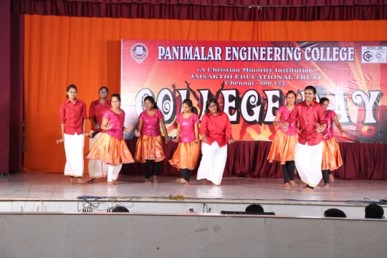
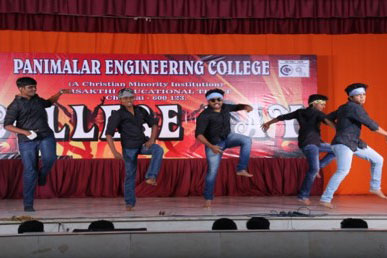
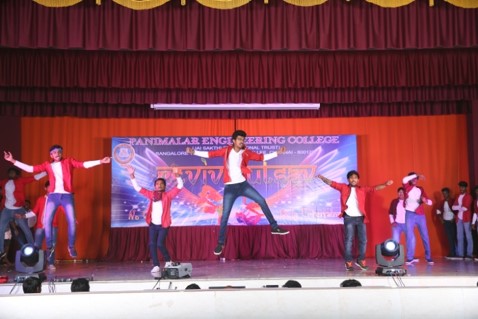
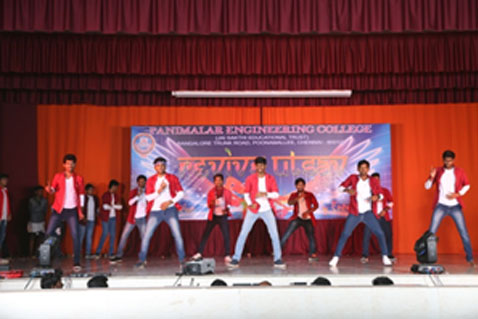
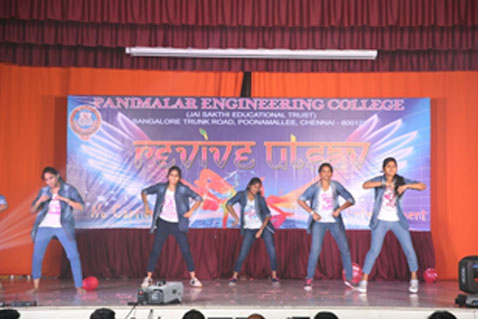
College Day Celebration
The colleges can mold the students holistically by exposing them to an array of activities along with academics. Cultural activities play a key role in the overall personality development of students.
Hostel Day Celebration
NSS Camp
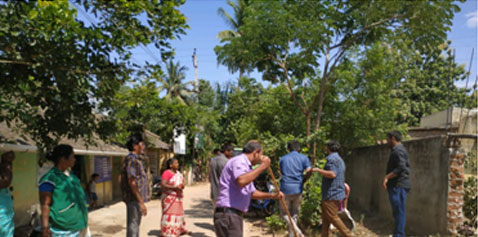
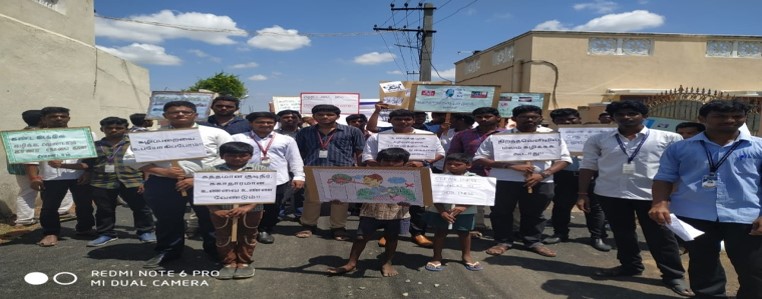
Title: Sanitation and cleanliness awareness program.
Mass cleaning activity has been performed by our student volunteers and faculties. We also conducted a rally to help spread sanitation, solid and liquid waste management messages with the help of Panimalar college students and faculties.
Student Clubs
Ui-nique Automators
RPA Club
A place where innovation meets automation! We explore an advance Robotic Process Automation (RPA), a technology that automates repetitive tasks. Hands-on workshops, collaborative projects, and industry expert sessions.
Faculty Advisors: Dr. P.J Sathish Kumar, Dr. V. Sathiya
Coders Forum
We Innovate Way Differently
A dynamic and thriving community of passionate individuals driven by a shared love for programming and an insatiable thirst for technical knowledge.
Faculty Advisor: Mrs. V. Anitha Moses
Neuro Nexus
AI & ML Club
Provides an opportunity to connect with technologies of NVIDIA Deep Learning, Robotics, and embedded edge AI applications like generative AI, computer vision, and advanced robotics.
Faculty Advisor: Dr. R. Josphine Leela, Professor
AVENGERS
Game Development Club
Enhancing skills in Unity 3D, AR/VR, and Game Development to meet industry requirements.
Faculty Advisor: Dr. T. Tamilvizhi, Professor
App Arena
App Development Club
A vibrant community for creating software applications — hands-on projects, workshops, hackathons and mentorship from industry professionals to build strong app-development portfolios.
Beyond Standard Club
BIS Standards Club
Spreads awareness about quality standards, safety, and BIS certification/hallmarking — promoting responsible consumer habits and leadership through standards-based learning.
White Sec
Security Club
The main aim of the club is to fill in the skills needed for the real-world cyber security needs. Interactive demonstrations with different tools on topics like network security, penetration testing, reverse engineering etc.
Faculty Advisor: Dr. T. Jackulin, Associate Professor
Events Participated
Year-wise reports of student participation in technical and cultural events, symposiums, hackathons and competitions across the state and country.
FDP / STTP Details
Faculty Attended FDP / STTP / Workshop
| Academic Year | Total Faculty | Faculty Attended | FDP/STTP Attended |
|---|---|---|---|
| 2025-2026 | 127 | 35* | 59* |
| 2024-2025 | 95 | 63 | 119 |
| 2023-2024 | 90 | 54 | 90 |
| 2022-2023 | 67 | 34 | 43 |
| 2021-2022 | 71 | 28 | 37 |
FDP / STC Organized Details
2024-25
FDP on creating the future of HPC - harnessing DevOps for revolutionary innovation
STC on Data Science using Python
STC on 'Developing Ethics And Values In Curriculum Implementation' (Hybrid Mode)
2023-24
FDP - Quantum Computing – Research Perspective in Communication & Health Industry
FDP - Futuristic Cloud Technologies & Security Tools
STC - Machine Learning Using Python
2022-23
STC - Cyber Crime and Forensic Tools
STC - Development of Responsive Websites
FDP - Amazon Web Services
2021-22
STC - Machine learning Using Python
STC - Secure Website Development
Department Survey Forms
Feedback drives continual improvement. Please take a moment to fill the relevant survey form below.
Question Bank
Academic Year 2026-27 (Odd Semester) — select a subject below to open its question bank / course site.
II YR / III SEM
DATABASE MANAGEMENT SYSTEMS
DATABASE MANAGEMENT SYSTEMS LAB
DIGITAL PRINCIPLES AND COMPUTER ARCHITECTURE
DISCRETE MATHEMATICS
OBJECT ORIENTED DESIGN AND PROGRAMMING
OBJECT ORIENTED DESIGN AND PROGRAMMING LABORATORY
DATA STRUCTURES
DATA STRUCTURES LABORATORY
III YR / V SEM
ORGANIZATIONAL BEHAVIOUR AND BUSINESS INTELLIGENCE
THEORY OF COMPUTATION
ARTIFICIAL INTELLIGENCE AND MACHINE LEARNING TECHNIQUES
FULL STACK APPLICATION DEVELOPMENT
INDUSTRIAL INTERNET OF THINGS
Elective Course
Minor Course
Honors Course
IV YR / VII SEM
CRYPTOGRAPHY AND CYBER SECURITY
CLOUD COMPUTING AND BIG DATA ANALYTICS
CRYPTOGRAPHY AND CYBER SECURITY LABORATORY
CLOUD COMPUTING AND BIG DATA ANALYTICS LABORATORY
Elective Course
Honors Course
Minor Course - ECE
Minor Course - MECH
M.E. Computer Science
Programme Educational Objectives (PEO)
- PEO 1: Apply the basic fundamental tools and profound knowledge of computer science & engineering to generate interest in newer areas of research and develop the students into successful professionals.
- PEO 2: Develop innovative and advanced software systems by exploring multiple solutions to computational problems with efficient algorithms giving due consideration to the human context in which the systems would work.
- PEO 3: Adapt to sustained learning and ever-changing technological and societal requirements which will enable them to attain a dynamic career in academics and research and industries.
- PEO 4: Demonstrate and Practice professional and ethical code of conduct towards team work with societal responsibilities.
- PEO 5: Engage in continued learning to keep pace with changing landscape of technologies and provide innovative solutions to real-life problems.
Programme Outcomes (PO)
- PO1 (Research Aptitude): An ability to independently carry out research investigations, identify problems and develop solutions to solve practical problems.
- PO2 (Technical documentation): Identify, formulate, research literature, and analyze complex engineering problem reaching substantiated conclusions using first principles of mathematics, natural sciences, and engineering sciences.
- PO3 (Technical competence): Design solutions for complex engineering problems and design system components or processes that meet the specified needs with appropriate consideration for the public health and safety, and the cultural, societal, and environmental considerations.
- PO4 (Handle complex problems): Use research-based knowledge and research methods including design of experiments, analysis and interpretation of data, and synthesis of the information to provide valid conclusions.
- PO5 (Environmental Sustainability and societal Ethics): Ensure development of socially relevant and eco-friendly indigenous products by applying technical knowledge, ethical principles and sound engineering practices.
- PO6 (Life-long learning): Recognize the need for independent, life-long learning and engage in the broadest context of technological change.
Programme Specific Outcomes (PSO)
- PSO 1 (Professional Skills): To inculcate technical skills to analyze, design and implement software's related to algorithms, networking, web services, multimedia, big data analytics and recent topics of varying complexity.
- PSO 2 (Problem-Solving Skills): To develop the capability to comprehend and solve the interdisciplinary problems through appropriate technology with the understanding of contemporary business environment.
- PSO 3 (Successful Career and Entrepreneurship): To develop an ability to utilize the latest technology and platforms to become a triumphant professional, successful entrepreneur and an urge for pursuing higher studies.
Research Publications
Gallery


Department Library
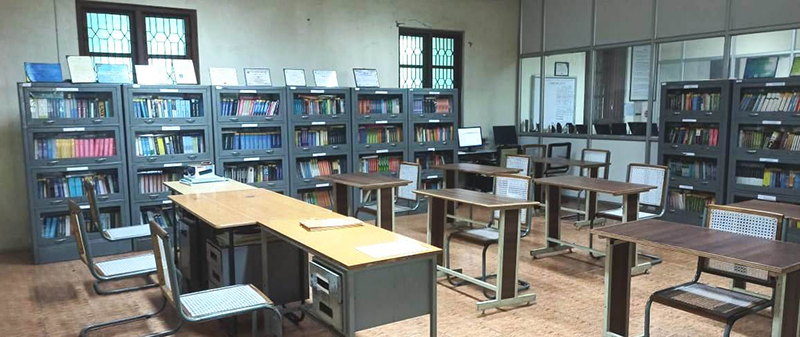
B.E. CSE Library Details
| Area | 50 Sq.m. |
| No. of Volumes | 1720 |
| No. of Titles | 651 |
| National Journals (Scopus) | 32 (Access to Central Library-I) |
| Reprints (International Journals) | 08 (Access to Central Library-I) |
| No. of Computers | 02 |
| E-Journals | 05 (IEEE-ASPP / IEEE-POP / ELSEVIER-SCOPUS / DELNET / EBSCOHOST) |
| E-Books | 01 (MGH) |
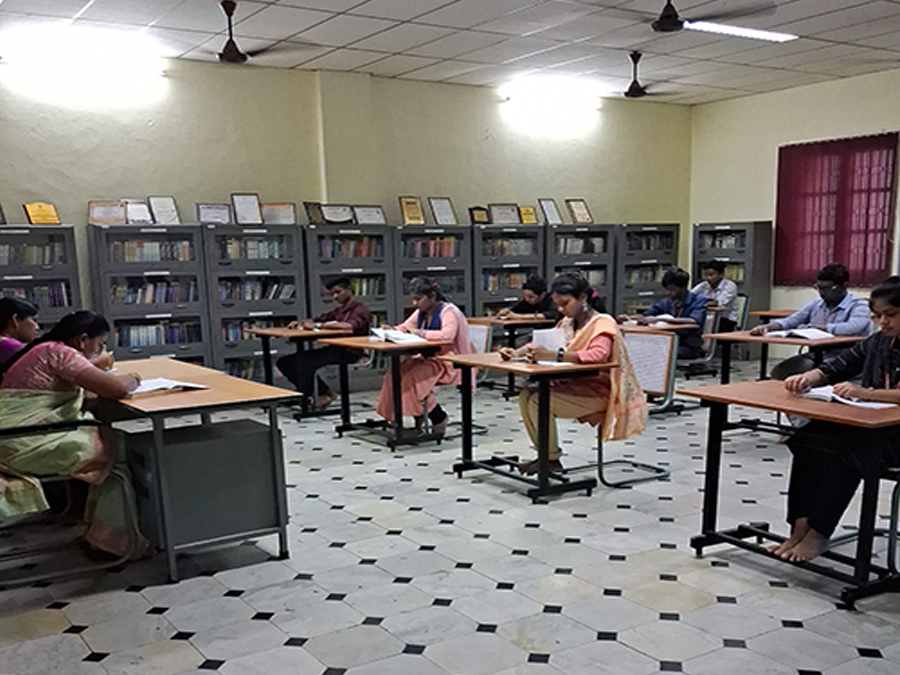
M.E. CSE Library Details
| Area | 30 Sq.m. |
| No. of Volumes | 1100 |
| No. of Titles | 486 |
| National Journals (Scopus) | 07 (Access to Central Library-I) |
| Reprints (International Journals) | 08 (Access to Central Library-I) |
| No. of Computers | 04 |
| E-Journals | 05 (IEEE-ASPP / IEEE-POP / ELSEVIER-SCOPUS / DELNET / EBSCOHOST) |
| E-Books | 01 (MGH) |